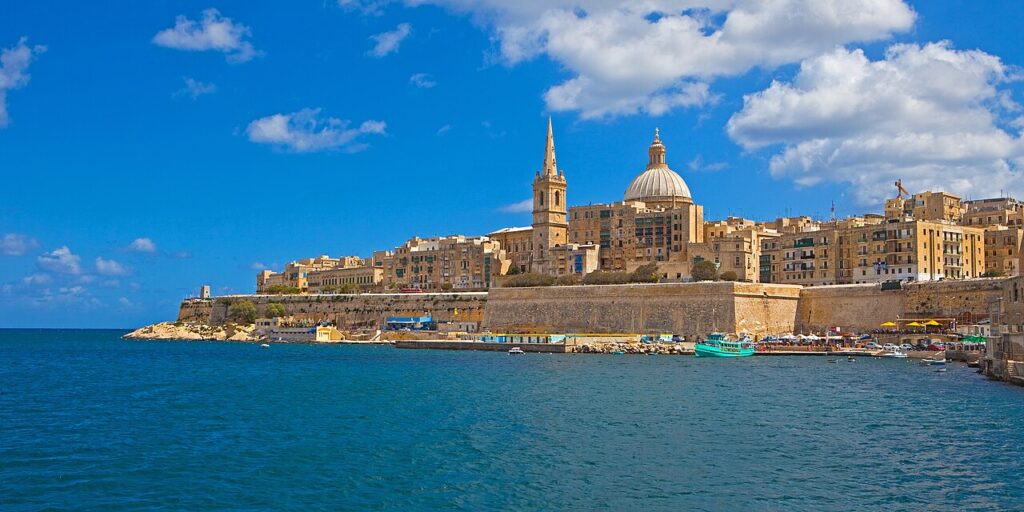
For almost a decade, abortion activists have had the small Mediterranean country of Malta in their crosshairs. Malta is the European Union’s last pro-life haven; abortion is illegal unless a woman’s life is at immediate risk. Yet, contra the claims of abortion activists and activist NGOs, Malta has one of the lowest maternal mortality rates in the world; not one woman died during or after childbirth from 2012 to 2023.
Malta’s much-condemned pro-life regime proves that nations can protect both women and unborn children. This has presented abortion activists with a conundrum. In 2018, their campaign to legalize abortion ramped up. In 2022, a pregnant American tourist named Andrea Prudente requested an abortion after suffering ruptured membranes. She was refused and flew to Spain instead. The case made international news, with outlets from the New York Times to the BBC claiming her life was at risk.
Abortion activists and their media allies deployed the same playbook they’d used after Savita Halappanavar’s tragic 2012 death in Ireland. Despite three separate investigations (including the coroner’s report) finding that Savita died of sepsis, not because she was denied an abortion, activists used the case to persuade the Irish public to vote away constitutional protections for unborn children by presenting a false choice: You can protect women, or you can protect their unborn babies. You cannot protect both.