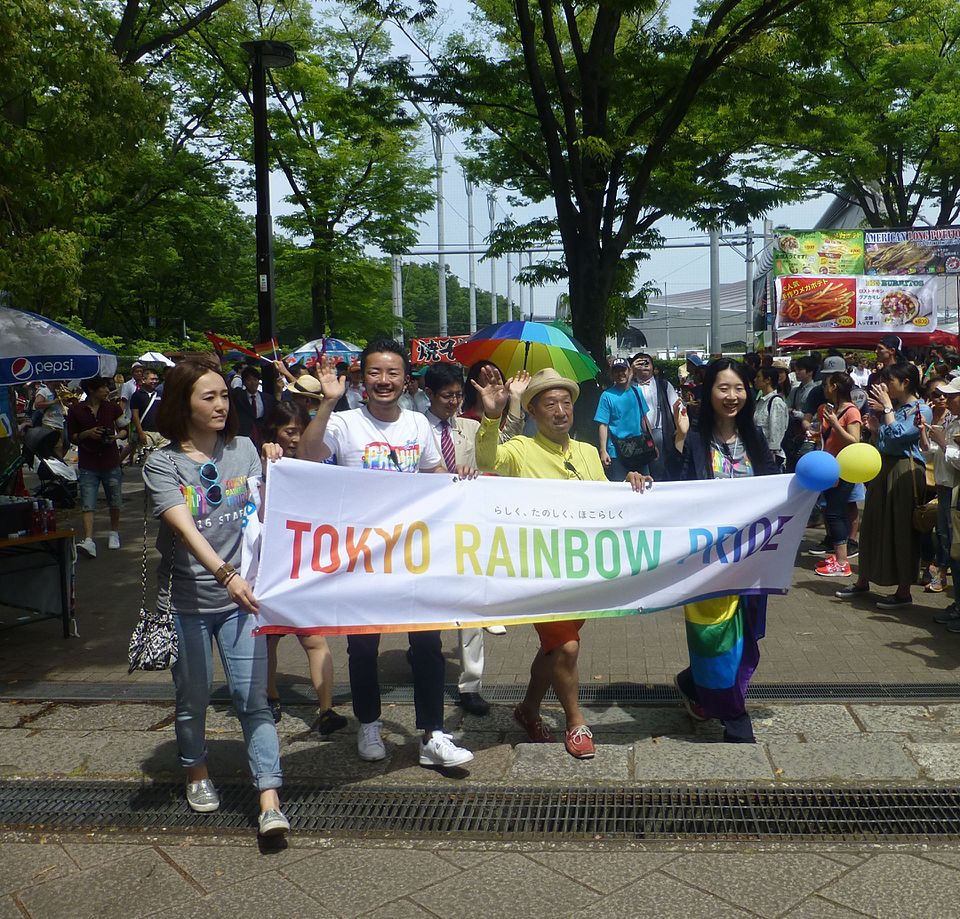
In a major setback for LGBT activists, a Japanese court ruled on Friday that the nation’s ban on same-sex “marriage” is constitutional. As the only G-7 national that does not recognize same-sex “marriage,” Japan has been under consistent Western pressure to adopt the LGBT agenda and change its laws. The only nations in Asia that have redefined marriage are Taiwan, Thailand, and Nepal.
The ruling was a surprise; the BBC reported that it “bucked a trend set by courts around the country” that had favored LGBT activists. It is the sixth ruling on homosexual “marriage” lawsuits filed between 2019 and 2021, and five had ruled that Japan’s recognition of natural marriage is unconstitutional. According to the BBC: “Friday’s ruling by the Tokyo high court marks an exception to this series of verdicts, which had been adding weight to the push for same-sex marriage to be legalised in Japan.”
Judge Ayumi Higashi stated that same-sex “marriage” should be debated in parliament rather than decided by the courts; LGBT activists outside the courthouse condemned the ruing as an “unjust verdict,” with one activist stating: “Where is the justice? Was the court even watching us? Were they considering the next generation?” Predictably, they committed to “keep fighting.”
The pressure on Japan to eliminate its laws and implement LGBT ideology has been immense. Amnesty International issued a condemnation of Friday’s ruling, calling it a “damaging step backwards on same-sex marriage” and stating that: “The Japanese government needs to be proactive in moving towards the legalisation of same-sex marriage so that couples can fully enjoy the same marriage rights as their heterosexual counterparts.”
In 2023, the Biden administration began pushing other nations to legalize same-sex “marriage” as a matter of policy, including Japan and Korea. In response, Japanese Prime Minister Fumio Kishida, leader of the ruling Liberal Democratic Party, announced a bill to promote LGBT understanding to “showcase progress on the issue to his G-7 peers, with the country under mounting pressure.”
According to Kyodo News: “A survey by the Organization for Economic Cooperation and Development shows Japan ranked 34th out of 35 countries in terms of LGBT inclusion legislation in 2019, down from 22nd in 1999. In a recent video compilation of messages, 15 diplomatic missions in Japan, including those of the United States, Europe and Australia, called on the Japanese government to take concrete action toward protecting LGBT rights ahead of the G-7 summit.”
In October 2023, the 15-judge Supreme Court of Japan struck down a law stipulating that trans-identifying people must obtain a formal diagnosis of “Gender Identity Disorder” as well as undergo “sex change” surgeries prior to being able to officially change their sex on government documents such as family registries. The law, passed in 2003, required that those wishing to have official recognition of a change in sex must have had their “original reproductive organs” removed. LGBT groups trumpeted the ruling as a victory over Japan’s “traditional paternalistic family values.”