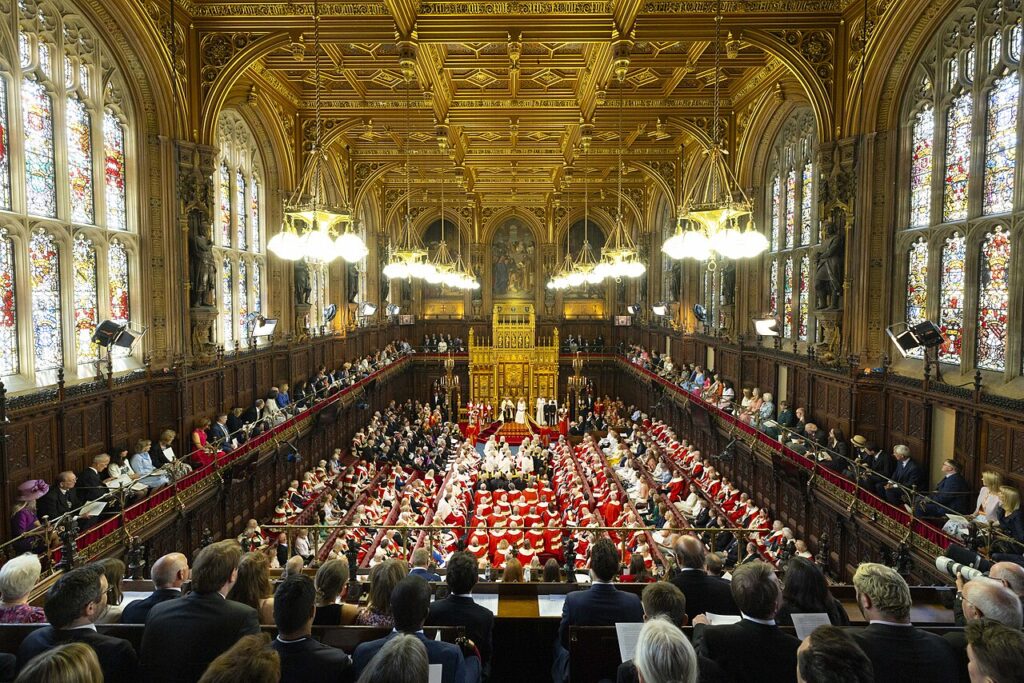
Kim Leadbeater’s assisted suicide bill has bogged down in the Upper Chamber, and Lord Charlie Falconer is livid. The former justice secretary has proposed ramrodding the legislation through using the Parliament Act, which would allow the House of Commons to override rejection or delay in the House of Lords—and likely trigger a constitutional crisis.
To accomplish this, an MP would have to table an identical bill. If the legislation passed twice in the Commons, it would become law without approval by the House of Lords.
The Terminally Ill Adults (End of Life Bill) passed third reading in the House of Commons on June 20 by a majority of only 23, and the law headed to the Lords, where explosive debates over the radical legislation have dragged on for months. Suicide advocates now fear that it will effectively die if it does not pass before Parliament is prorogued.
Even though support for the bill plummeted with each vote and voices warning of the catastrophic social consequences of its implementation have grown louder, Leadbeater and her allies refused to implement the most basic safeguards, including amendments to “ensure an appropriately high test for mental capacity” and making it illegal to “encourage” someone to commit assisted suicide.
Indeed, Parliament’s Bill Committee even rejected an amendment that would “protect people from choosing assisted suicide because they feel they are a burden.”
Lord Falconer, the bill’s sponsor in the Upper Chamber, has proven as rigid and bloodthirsty as his parliamentary counterpart. He affirmed, in one exchange, that pregnant women should be able to commit assisted suicide. He has also openly acknowledged that money and resources will play a role in decisions surrounding assisted suicide “because there’s only so much money to go around.”
Many peers are horrified by this. They are demanding a series of amendments, including an explicit removal of pregnant women from eligibility; stringent assessments of mental capacity to request suicide; limiting eligibility to those who cannot receive relief by treatment; raising the minimum age to 25; and lengthening the “reflection period” between eligibility assessments. These amendments seek to address or blunt the concerns of vulnerable communities.
Falconer, however, has grown tired of ethical objections and disability rights concerns, and stated that it is “very, very difficult” to see how the assisted suicide bill can be passed this year without a “fundamental change” from his fellow peers. Falconer will not consider the safeguards desperately requested by vulnerable communities and has instead made a threat: If the bill is not passed by the King’s Speech in May, the Parliament Act should be used to circumvent the House of Lords entirely.
Ironically, Falconer accused his colleagues of “filibustering” and ordered them to “stop all this smoke and mirrors and focus on making the bill better”—all while opposing the very amendments the peers have put forward to accomplish that. Leadbeater is making similar accusations, ludicrously claiming that the bill is “very robust” and has “plenty of support.” If that were true, the suicide pushers would not be resorting to threats of bypassing the House of Lords to force its passage.
The Labour Party’s election manifesto made no mention of assisted suicide, and Leadbeater’s bill is not government legislation. Health Secretary Wes Streeting, Deputy Prime Minister Angela Rayner, and Justice Secretary Shabana Mahmood voted against it; Keir Starmer voted for it but emphasized again recently that the government remains neutral. The government has also ruled out reintroducing the legislation as a government bill, and a government source told the BBC that many ministers now believe the bill will not survive the Lords.