British comedian John Cleese of Monty Python fame has announced on X that he will not risk performing in British Columbia during his upcoming theatrical tour of Canada this fall after the BC Human Rights Tribunal ordered a former school trustee to pay one of the largest hate speech fines in history for his public opposition to gender ideology and stating that there are only two sexes.
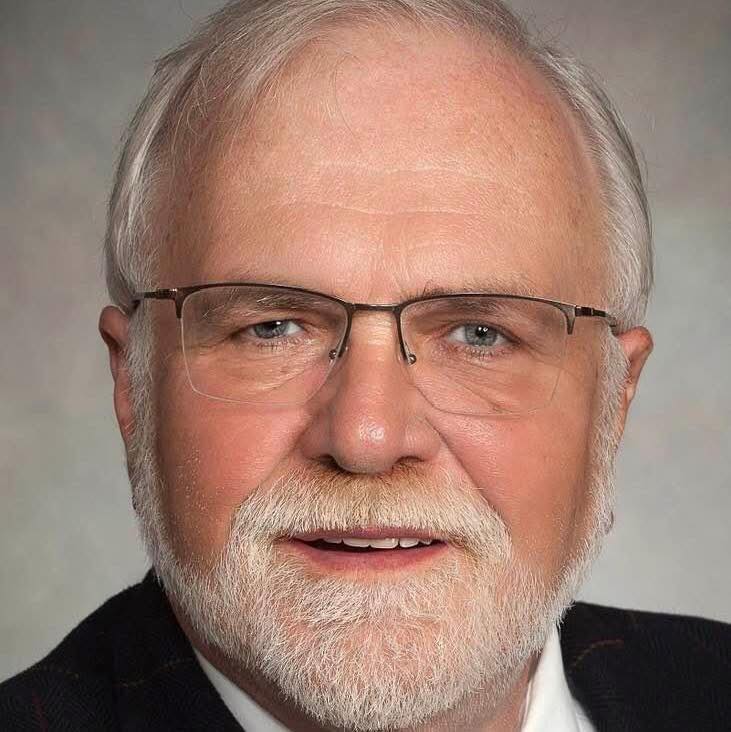
Seventy-eight-year-old Barry Neufeld was fined $750,000 by the tribunal, claiming that at least 24 of his “publications” constituted “hate speech” and “discrimination.” Defenders of the ruling are insisting that Neufeld crossed clear lines, but the basis of the ruling is that denying the premises of gender ideology—a phrase that the tribunal specifically cites as hateful—cannot be permitted in Canadian public life.
“If a person elects not to ‘believe’ that gender identity is separate from sex assigned at birth, then they do not ‘believe’ in transpeople. This is a form of existential denial,” the tribunal stated. “A person does not need to believe in Christianity to accept that another person is Christian. However, to accept that a person is transgender, one must accept that their gender identity is different than their sex assigned at birth.”
The tribunal further noted that calling gender ideology an ideology is, itself, crossing a legal line. “But behind this insidious veneer is the proposition that transness is not real,” the tribunal opined. “Such phrasing can make it easier to ignore that trans people are human beings. Referring to ‘gender ideology’ or ‘transgenderism’—‘-ism’ denoting a belief or ideology such as capitalism or communism—pushes the idea that trans people have an agenda rather than being just another demographic group.”
“Well there are people with a ‘y chromosome’ and people without,” John Cleese wrote on X on February 21 in response to the Neufeld ruling. “That’s two [genders] isn’t it? Please check in a biology textbook.” This basic fact, however, was rejected by the BC Human Rights Tribunal, which mocked Neufeld’s assertion that there are two sexes by noting that “Mr. Neufeld’s views appear rooted in deeply held assumptions and beliefs rather than a lack of access to information.”
“What a pity!” Cleese posted on X later that day. “I’m arranging a theatrical tour of Canada this Fall, and now I won’t be able to risk doing any shows in British Columbia I was really looking forward to coming.” The National Postnoted that Cleese would be avoiding BC due to the “crackdown on gender ideology criticism,” a phraseology that could, ironically, get the offending journalist in hot water with the BC Human Rights Tribunal.
But “crackdown” is no exaggeration. Last year, an Ontario man was ordered to pay $380,000 to Rainbow Alliance Dryden for Facebook posts he made referring to drag performances for children as “grooming”; the judge noted reassuringly in her ruling that she was an “active 2SLGBTQIA+ advocate throughout my adult life.” In Quebec last month, a hair salon was told to pay $500 to a chronically litigious “non-binary” activist because their online appointment form asked prospective customers to choose male or female.
Canada has become infamous for prosecuting dissenters from LGBT ideology over the past few years, but the sheer size of the Neufeld ruling—one that he told me he can never pay and that seems deliberately designed to both bankrupt and make an example of him—has had an immediate chilling effect.
BC Human Rights Commissioner Kasari Govender immediately put all elected officials on notice. “The decision is significant for ensuring that human rights laws apply to political and public statements from our elected officials and affirming that trans people are entitled to have their identities recognized and rights respected,” Govender said. The message is clear: Comply, or we may bankrupt you. Just look at what happened to Barry Neufeld.
One BC school trustee has already resigned in response to the ruling. “I can no longer do my job,” Laurie Throness wrote on February 26. ‘All democratically-elected officials must feel comfortable to speak their mind without worrying about accusations of workplace discrimination. Since I no longer feel safe in expressing myself on the Board in legitimate ways, the only proper course is to resign. The effect of the judgment is clear; it is a warning and a threat that places an absolute-zero chill upon public discourse and the freedom of speech of elected trustees.”