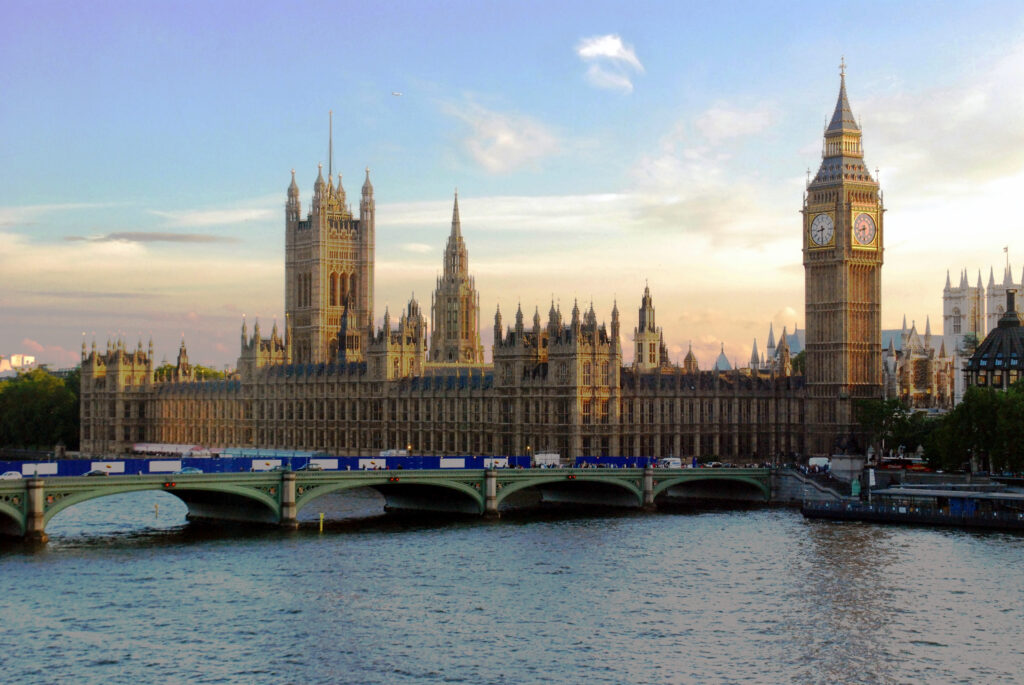
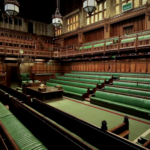
The vote on the Terminally Ill Adults (End of Life) Bill in Westminster on September 11 was a moment of rare high drama for the British Parliament. The first iteration of the bill, put forward by Labour MP Kim Leadbeater, died a natural death in the House of Lords earlier this year, bogged down by over 1,000 proposed amendments and growing public backlash.
On June 17, MP Lauren Edwards put it back on life support in hopes that Parliament would pass the same bill and bypass the peers entirely. It failed.
Instead, the House of Commons voted it down, 286-270. The debate lasted for several hours, and the desperation of the suicide activists in the benches was palpable, especially after several high-profile defections. Kalt Malthouse, for example, excoriated the House of Lords for refusing to pass the bill earlier this year – while MP Sarah Bool, sitting just behind him, stole the show with her disgusted disagreement:
Then there was this grotesque display, with the MP pushing assisted suicide shouting that an expert doctor was “making up” his concerns:
But there were moments that did, in fact, show “Parliament at its best.” MP Suella Braverman, the Reform UK education spokeswoman, outran her security after her train was delayed and she had to sprint across nearby Green Park in order to make it on time to vote against the bill – which she did, with just 30 seconds to spare.
And there was the speech that may have swung the vote, delivered by Labour MP Ashley Dalton, who is terminally ill with metastatic breast cancer. She described how many patients are tormented with horrific stories of painful deaths, and she begged her colleagues to vote against the bill and to work toward better palliative and social care to protect society’s most vulnerable:
When the assisted suicide bill was finally euthanized, there were cheers. There are very few days when good wins, and on those days, we must be profoundly grateful. This was a beautiful moment, and one to be remembered:
Suicide activists, of course, were horrified and outraged. They have now lost the fight in Scotland, England, and Wales – and worse, they lost the public debate, which raged for several years. The longer the debate lasted, the more support they lost. But, of course, they will try again. As The Observerreported two days after the vote on September 13:
Supporters of assisted dying pledged on Saturday that they would not give up in their attempt to change the law after being defeated in the House of Commons. Liz Kendall, the former technology secretary, told The Observer there was “widespread and deep public support for assisted dying” and that it was a question of “when, not if” the reform is introduced.…
MPs and peers are considering either introducing another private member’s bill or tabling an amendment to government legislation. Any new proposal would include additional safeguards and could be linked to reform of social care or additional funding for palliative care. “All options are on the table,” Kendall said.
To put this as clearly as I can: This is a death cult. Opposition from medical organizations, every disability rights group in the country, palliative specialists, psychiatrists, and others did nothing to sway them. Indeed, when suicide activists thought they could get away with it, they voted down safeguard after safeguard. Now, they are suddenly willing to countenance safeguards – not because they believe in them, but because they know that if they can establish assisted suicide as a right, they can set to work expanding that right.
Accept safeguards now; get rid of them later – in short, the Canadian model. As Dan Hitchens put it in his must-read analysis in First Things:
What swung the result? Perhaps less one issue than a steady accumulation of doubts. Hospices and care homes might be closed or defunded – this was explicitly threatened by one of the main proponents of the bill. Disabled people would come under pressure. People would die because the health system had failed them. The high costs of care would provide a powerful incentive for death. The purpose of the National Health Service would be redefined. The supporters of the bill, when they heard objections like this, responded with baffled impatience. Didn’t people understand this was inevitable? It was summed up by the popular Labour MP Jess Phillips, who when asked whether the NHS was in a fit state to deliver an assisted suicide regime, replied: “Of course the NHS isn’t in a fit enough state … but you cannot stop progress happening.”
As it turns out, you can. Assisted suicide was repealed in Slovenia. It was stopped in Scotland. And now, it was voted down in Westminster. The suicide activists will try again. But they are no longer winning the debate; they are losing it. Their most potent tactic is no longer usable: the myth of inevitability. As I watched the vote, I thought of the lines of the Welsh poet Dylan Thomas: